
Shenandoah National Park: Complete Hiking Guide
Discover the Magic of Shenandoah National Park
Shenandoah National Park is one of the most visited national parks in America, and for good reason. Spanning 200,000 acres across the Blue Ridge Mountains in Virginia, this park offers some of the most breathtaking hiking experiences on the East Coast. Whether you’re a seasoned hiker or just starting out, Shenandoah has trails for every skill level.
Why Shenandoah Should Be on Your Hiking Bucket List
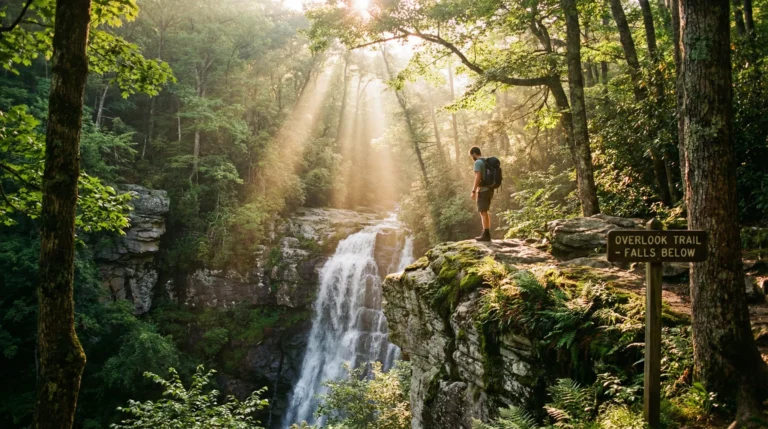
What makes Shenandoah truly special is the incredible diversity of landscapes you can experience. From cascading waterfalls hidden deep in the forest to panoramic mountain vistas that stretch for miles, every trail offers something unique. The park is home to over 500 miles of trails, including 101 miles of the famous Appalachian Trail.
I’ve been guiding hikers through Shenandoah for over 30 years, and I still discover new hidden gems every season. The park changes dramatically with each season—spring brings wildflowers and rushing waterfalls, summer offers lush green forests and cool mountain air, fall transforms the landscape into a tapestry of reds and golds, and winter reveals stunning vistas through bare trees.
Best Trails for Different Skill Levels
Beginner Trails: Start with Limberlost Trail (1.3 miles, easy) or Stony Man Trail (1.6 miles, easy). These trails are perfect for families and offer beautiful scenery without the strenuous climbing.
Intermediate Trails: Old Rag (7.8 miles, moderate to strenuous) is my personal favorite. This trail features a rock scramble at the summit that rewards you with 360-degree views. Dark Hollow Falls (1.4 miles) is another excellent choice, offering a waterfall reward for minimal effort.
Advanced Trails: For experienced hikers, try the Hawksbill Summit (2.4 miles, moderate) or the challenging Stony Man Loop (1.6 miles but steep).
Planning Your Shenandoah Adventure
Best Time to Visit: Late September through early November offers the most spectacular fall foliage. Spring (April-May) brings wildflowers and is less crowded. Summer is beautiful but can be hot and humid. Winter offers solitude and clear views.
What to Bring: Even on short trails, bring plenty of water (at least 2 liters per person), snacks, a map, and a headlamp. The weather can change quickly in the mountains. Wear layers and bring a rain jacket even if the forecast looks clear.
Parking and Entrance: The park charges a $30 per vehicle entrance fee (valid for 7 days). Arrive early—popular trailheads fill up by mid-morning on weekends. The Skyline Drive runs the length of the park and offers numerous scenic overlooks.
Hidden Gems Most Tourists Miss
While everyone flocks to Old Rag, there are incredible trails that see a fraction of the crowds. Blackrock Summit offers stunning views with only moderate crowds. The trail to Raven Rocks is spectacular and rarely mentioned in guidebooks. And if you venture to the northern section of the park, you’ll find solitude and pristine wilderness.
Safety Considerations
Shenandoah is home to black bears, but encounters are rare if you follow basic precautions. Make noise on the trail, never approach wildlife, and store food properly. The terrain can be rocky and slippery, especially after rain. Wear proper hiking boots with good ankle support.
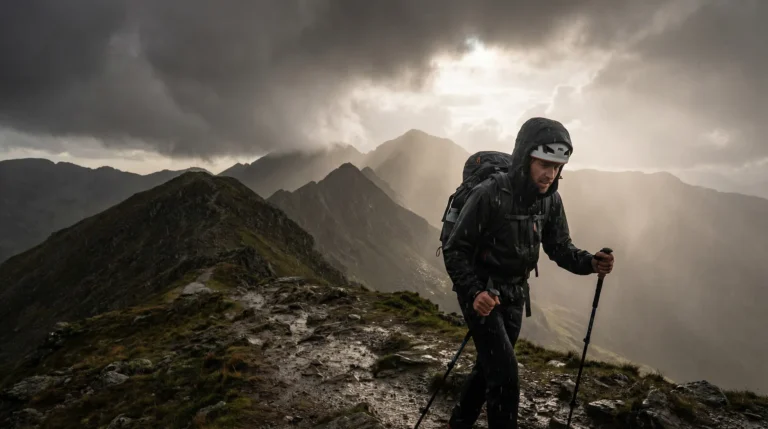
Weather changes rapidly in the mountains. A sunny morning can turn into afternoon thunderstorms. Check the forecast before you go, and be prepared to turn back if conditions deteriorate.
Why Hire a Local Guide
Hiking with a local guide transforms your experience. I know the best times to visit each trail, the hidden waterfalls, the best photo spots, and the fascinating history of the park. I can adjust the pace and route based on your fitness level and interests. Most importantly, I handle all the logistics so you can focus on enjoying the adventure.
Ready to experience the magic of Shenandoah? Let’s plan your perfect hike.