Mountain Hiking for Beginners: Start Your Adventure
Your Complete Guide to Starting Your Hiking Journey
Thinking about starting to hike but feeling intimidated? You’re not alone. Many people assume hiking requires special training or expensive gear, but the truth is anyone can hike. With the right preparation and mindset, you can have an amazing outdoor experience.
Dispelling Common Hiking Myths
Myth 1: You need to be in peak physical condition. Reality: Hiking is low-impact and can be done at your own pace. Start with easy trails and build up gradually.
Myth 2: You need expensive gear. Reality: You can start with basic athletic wear and comfortable shoes. Invest in quality gear as you progress.
Myth 3: Hiking is boring. Reality: Every trail is different. You’ll discover new plants, wildlife, views, and maybe even parts of yourself you didn’t know existed.
Choosing Your First Trail
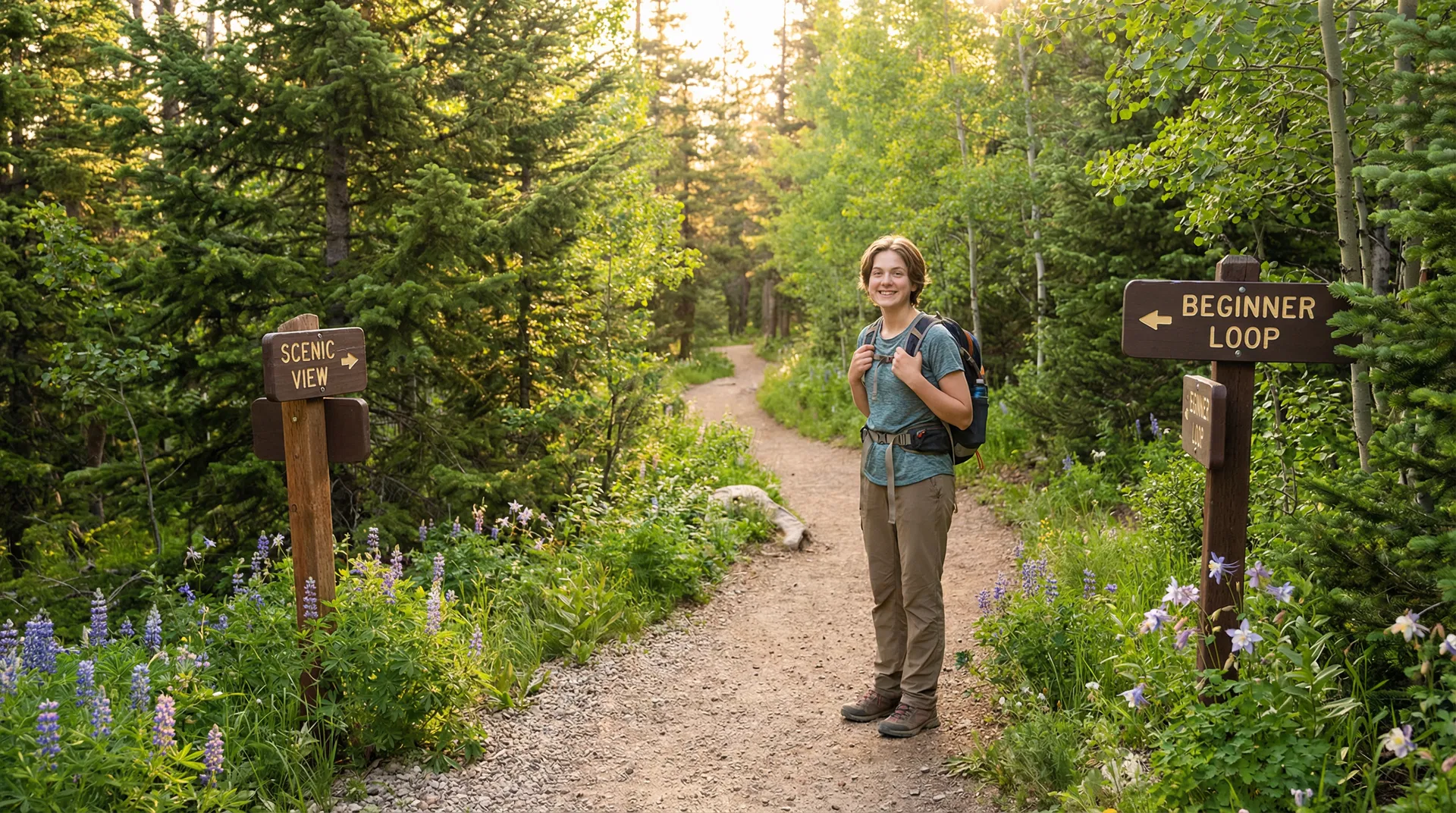
Start with a trail that’s 2-4 miles round trip with minimal elevation gain. Look for well-maintained trails with clear markings. Popular beginner trails in Virginia include Limberlost Trail in Shenandoah, Grayson Highlands State Park trails, and the Virginia Creeper Trail.
Use apps like AllTrails or Hiking Project to research trails. Read recent reviews—they’ll tell you about current conditions, difficulty, and what to expect.
Essential Gear for Beginners
Footwear: This is your most important investment. Proper hiking boots or trail shoes provide ankle support and traction. Break them in on short walks before your first hike.
Backpack: A 10-15 liter daypack is perfect for beginners. Make sure it has padded straps and a hip belt to distribute weight properly.
Water: Bring at least 2 liters. Dehydration is the #1 cause of hiking problems. Drink regularly, not just when you’re thirsty.
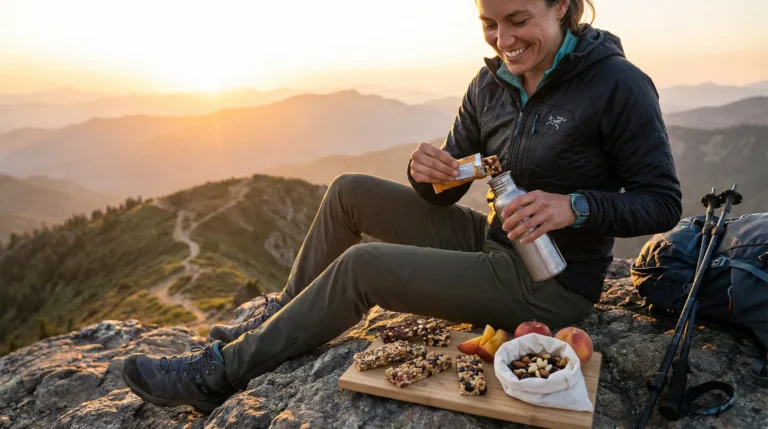
Snacks: Pack high-energy foods like trail mix, energy bars, or fruit. Eating regularly maintains your energy and mood.
Navigation: Bring a map and compass, or download offline maps on your phone. Cell service is unreliable in the mountains.
Weather Protection: Always bring a rain jacket and extra layers, even if the forecast looks perfect. Mountain weather changes fast.
Physical Preparation
You don’t need to train for months, but some preparation helps. Walk regularly, take stairs instead of elevators, and do some light strength training. This builds the endurance and leg strength you’ll need.
Start with flat, easy trails and gradually increase difficulty. Your body will adapt quickly, and you’ll be amazed at how much stronger you become.
Mental Preparation
Hiking is as much mental as physical. Set realistic goals for your first hike. It’s okay to turn back if you’re tired or uncomfortable. There’s no prize for pushing through pain.
Embrace the discomfort of the climb—it means you’re challenging yourself. The view from the top is worth every step.
Safety Tips for Beginners
Tell someone where you’re going and when you’ll be back. Start early so you have plenty of daylight. Hike with a buddy if possible. Bring a headlamp even on day hikes.
Watch for hazards like loose rocks, roots, and slippery sections. Pace yourself—hiking is a marathon, not a sprint. If you feel pain (not just fatigue), stop and rest.
What to Expect on Your First Hike
Your legs will probably be sore the next day—that’s normal. You might be surprised at how much you enjoy it. You’ll probably want to do it again.
The hiking community is incredibly welcoming. You’ll meet amazing people on the trail. Many lifelong friendships start with a shared hike.
Ready to take that first step? Let’s find the perfect trail for you.