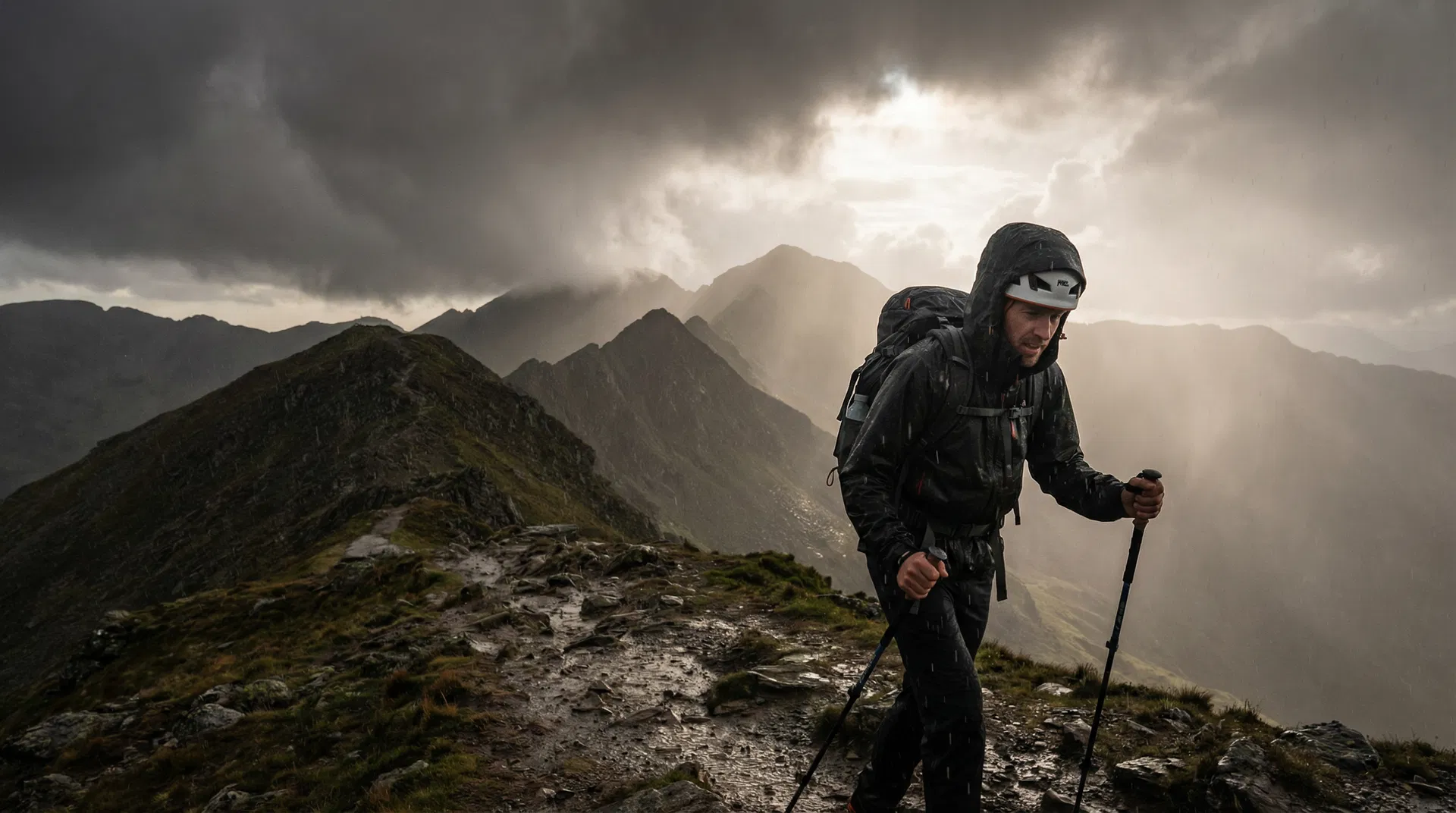
Weather Safety: Hiking in All Conditions
Master Weather Safety: Hike Confidently in Any Condition
Weather is the most unpredictable element of hiking. I’ve seen sunny mornings turn into thunderstorms, warm days become dangerously cold, and clear skies produce unexpected fog. In my 30+ years of hiking, I’ve learned that weather knowledge and preparation are the difference between a great experience and a dangerous situation.
Understanding Mountain Weather
Mountain weather is notoriously unpredictable. Elevation, terrain, and geography create microclimates where conditions change rapidly. What’s sunny at the trailhead might be foggy and cold at the summit, just 2,000 feet higher.
Temperature drops approximately 3-5 degrees Fahrenheit for every 1,000 feet of elevation gain. This means a pleasant 70-degree day at the base could be 50 degrees or colder at the summit.
Rain and Thunderstorms
Preparation: Always bring a rain jacket, even if the forecast looks perfect. Mountain weather changes fast. I’ve been caught in unexpected storms dozens of times.
During Rain: Wet rocks and roots become slippery. Slow your pace and watch your footing. Wet gear loses insulation value, so keep dry layers in a waterproof pack.
Thunderstorm Safety: This is serious. If you hear thunder, you’re in danger. Lightning can strike from storms 10 miles away. If caught in a thunderstorm:
- Descend immediately if safe to do so
- Avoid peaks, ridges, and isolated tall trees
- Crouch low (not lie flat) if caught in the open
- Avoid water and metal objects
- Stay away from the tallest trees
If you hear thunder, turn back. No view is worth risking your life.
Cold Weather Hiking
Layering System: The key to cold weather comfort is proper layering:
- Base Layer: Moisture-wicking synthetic or wool (never cotton). This pulls sweat away from your skin.
- Mid Layer: Insulating fleece or wool. This traps warm air.
- Outer Layer: Windproof, waterproof jacket. This protects from elements.
Hypothermia: This is the biggest danger in cold weather. Symptoms include uncontrollable shivering, confusion, slurred speech, and poor coordination. If someone shows these signs, get them warm and seek medical help immediately.
Extremity Protection: Wear gloves, hat, and warm socks. You lose significant heat through your head and hands.
Heat and Sun Exposure
Heat Exhaustion: Symptoms include dizziness, nausea, excessive sweating, and weakness. Treatment: Stop, rest in shade, drink water, and cool your body.
Heat Stroke: This is life-threatening. Symptoms include confusion, no sweating, and hot skin. Call 911 immediately.
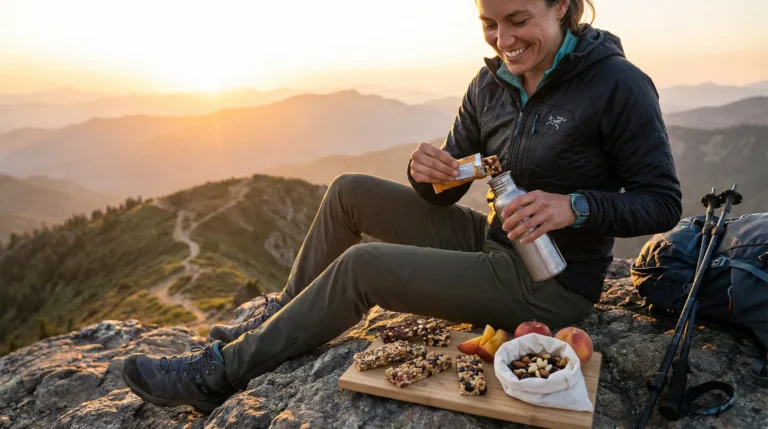
Prevention: Start early to avoid peak heat, drink plenty of water, take frequent breaks in shade, and eat salty snacks to maintain electrolytes.
Sun Protection: Apply sunscreen liberally and reapply every 2 hours. Wear a hat and sunglasses. UV rays are stronger at higher elevations.
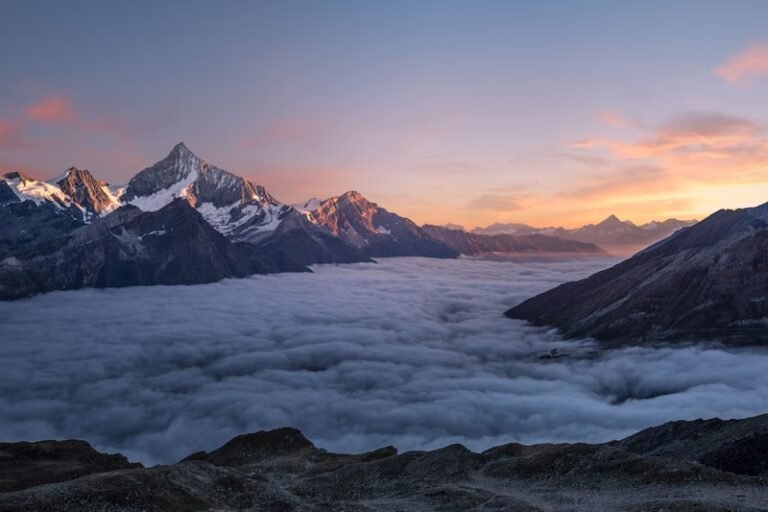
Fog and Low Visibility
Fog can roll in suddenly, reducing visibility to just a few feet. This is dangerous because:
- You can easily lose the trail
- You might not see hazards like cliffs or loose rocks
- It’s easy to become disoriented
In Fog: Slow down significantly. Use a map and compass or GPS. Stay on marked trails. If visibility becomes too poor, consider turning back.
Wind Safety
Strong winds can be deceptively dangerous. They can knock you off balance, especially near cliffs or exposed ridges. In extreme wind, consider turning back or finding shelter.
Snow and Ice
Snow and ice require special equipment and skills. Microspikes or crampons are essential. If you’re not experienced with winter hiking, hire a guide or take a winter hiking course.
Weather Forecasting for Hikers
Check multiple sources: National Weather Service, Weather.com, and local mountain forecasts. Mountain forecasts are more accurate than general forecasts.
Look for:
- Temperature and “feels like” temperature
- Precipitation probability and type
- Wind speed and gusts
- Visibility
- UV index
Check the forecast the night before and again the morning of your hike. Weather can change overnight.
The Golden Rule: Turn Back
This is the most important safety rule: If conditions are unsafe, turn back. There’s no shame in it. The mountains will be there another day. Your safety is more important than reaching the summit.
I’ve turned back hundreds of times in my career. Every experienced hiker has. It’s not failure—it’s wisdom.
Ready to hike safely in any weather? Let’s prepare you for your next adventure.